


The Pittsburgh Steelers coaching change ends one of the most historically significant coaching runs in the Open Era of the NFL. This article looks at the reasons for a coaching change at this time, the coaching strategies the organization will implement, and the specific attributes desired in the next head coach. Mike Tomlin coached 309 regular-season games with the Steelers, the second most in franchise history behind Chuck Noll, and finished with a regular-season record of 193-114-2, according to Pro Football Reference.
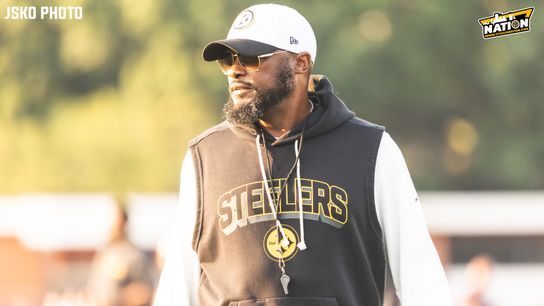
Jordan Schofield / SteelerNation (X: @JSKO_PHOTO)
Former Pittsburgh Steelers Head Coach Mike Tomlin stands on the field and watches his team practice during a 2025 training camp workout at St. Vincent College in Latrobe, PA.
Change is seldom witnessed in Pittsburgh, so the departure of Mike Tomlin has, and will, be noted throughout the league. For almost twenty seasons, the Steelers enjoyed the permanence of one main head coach while the rest of the league saw a rotation of head coaching staff.
Now, the franchise needs to get accustomed to change, which is new but inevitable. The next head coach will determine what the roster will look like, what the identity of the team is, and how far the Steelers will be able to compete in the seasons to come.
End of an Era in Pittsburgh
Mike Tomlin’s tenure represented consistency in a league defined by turnover. Hired in 2007 as head coach of the Steelers, he became the youngest coach at the time to win a Super Bowl when Pittsburgh defeated the Arizona Cardinals in Super Bowl XLIII after the 2008 season. According to data from Pro Football Reference and NFL records, Tomlin never posted a losing season in his 19 years and finished with a regular‑season record of 193 wins, 114 losses and 2 ties.
That level of stability shaped how the organization operated on and off the field. Players entered a system that valued structure and predictability, while fans grew accustomed to meaningful games late in the season. Off the field, engagement with football culture continued year round. During the offseason, some fans turned to entertainment options such as Social Casino Slots , which use virtual currency rather than real money and replicate the structure of traditional slot games. These platforms often feature sports-themed visuals and game mechanics, offering a way for fans to stay connected while the team resets.
Tomlin’s departure signals the end of a rare chapter in Steelers history. The organization now faces the challenge of maintaining its standards without the figure who embodied them for so long.
Tomlin Leaves a Lasting Legacy
Tomlin’s accomplishments are difficult to match. He reached the playoffs 11 times and led the Steelers to 2 Super Bowls, winning once, according to Pro Football Reference. Only 3 head coaches in NFL history have 150 wins and no losing seasons. Tomlin joined that list in the 2023 season.
Tomlin gained more than respect. He obtained the ability to manage strong personalities and varying head coaches in the locker room. He had clarity in expectations and consistent accountability. The NFL Players Association ranked the Steelers in the top 10 in player treatment. Tomlin’s leadership extended beyond wins.
Tomlin’s early-success relied prominently on defense and a power running game. Later teams adjusted to quicker passing. These shifts kept Pittsburgh competitive despite a quarterback change after Ben Roethlisberger’s retirement.
Front Office Outlines Next Steps
The Steelers' front office begins a search process that is seldom executed by the franchise. Team president Art Rooney II has told reporters that the process would take time due to the balance of the franchise’s core values and his patience. The Steelers have had a history of being slower to hire than they are to fire.
Research from the Fritz Pollard Alliance suggests that franchises that take the time to consider both internal and external candidates have a desirable outcome in terms of retention during the first three years. It seems like the Steelers would like to take the same approach for their prospective candidates, as they plan to interview veteran coordinators as well as young, promising ones.
The Rooney family has been the face of the franchise’s ownership since the beginning. They have only had three head coaches since 1969. This history suggests that the franchise does not have the capacity for a radical change in head coaching philosophy. The front office seems to want to find a balance in leaders who can raise the franchise’s expectations and modernize the demands of the current NFL.
What the Steelers Want in Their Next Leader
As the search begins, there are a few key priorities that stand out. The first is most likely player development. According to data from Pro Football Focus, the Steelers are in the top ten for snaps played by drafted players under rookie contracts over the last three years. In an era defined by cap space, development will need to be maximized.
There's also the need for adaptability. Offensive efficiency is a growing separator among contenders and is a definitive top-tier team indicator. According to NFL data from the 2024 season, over 70% of the teams that made the playoffs were in the top 8 for offensive efficiency. The Steelers need a coach who can balance those trends with the need to keep the defense the same.
The Steelers also need to decide on a specific type of leader for their team. The feedback suggests that they want a steady presence that can create and enforce a structure which brings order throughout the group. They need a leader who can build credibility in the present moment while also prioritizing the unit's longstanding values.