


The Pittsburgh Steelers enter next season facing both opportunity and challenge. After flashes of resilience, frustrating inconsistencies and stretches where the team’s identity felt incomplete, the path forward is clear: refine the roster, modernize the offense, preserve defensive strengths and develop a more cohesive long-term structure.

ESPn
Steelers QB Aaron Rodgers walks off the Pittsburgh football field after a 30-6 playoff loss to the Houston Texans.
Steelers fans—who track offseason updates with the same enthusiasm they bring to comparing odds, debating free-agency moves, or even unwinding with entertainment like online slots real money—know this franchise has the foundation to remain competitive. And as cross-sport brands such as Bally Bet increasingly intertwine fan culture with analysis and digital engagement, excitement for what the Steelers can achieve continues to build.
Below is a focused, strategic breakdown of how Pittsburgh can take meaningful steps forward next season under new head coach, Mike McCarthy.
Solidify the Quarterback Position
Few issues define the Steelers’ offseason more than the need for stability under center. Last season brought rotation, inconsistency and difficulty establishing rhythm. For next year, the franchise must choose a clear direction:
Commit to a long-term QB candidate and tailor the offense around his strengths
Add veteran competition to foster growth and raise the team’s performance floor
Reevaluate developmental pathways if younger QBs remain in the mix
The Steelers don’t need elite statistics to compete—they need efficiency, leadership and someone who can command the offense. Establishing clarity early in the offseason sets the tone for training camp and creates much-needed continuity.
Modernize the Offensive Scheme
Pittsburgh’s offensive struggles have been well documented. Issues include predictable play-calling, inconsistent spacing and too little production in the red zone. The next step in the Steelers’ evolution is embracing a modern NFL offensive approach:
More pre-snap movement and misdirection to stress defenses
Better route combinations that create separation for receivers
Greater reliance on quick decisions to protect the quarterback
Strategic use of tempo to maintain momentum
With the right coordinator, adjustments and a commitment to innovation, Pittsburgh’s offense can become more dynamic and less reliant on grinding out close, low-scoring games. McCarthy's West Coast offense should provide exactly that.
Bolster the Offensive Line
The Steelers have seen incremental improvement up front, but they still need stronger protection and more consistent run blocking. A competitive O-line is foundational to everything the team wants to accomplish.
Key priorities include:
Adding versatile linemen who can play multiple positions
Improving interior pass protection to reduce pressure up the middle
Building a cohesive unit that allows the run game to flourish
A more stable line not only improves quarterback performance, but also supports the identity Pittsburgh wants—physical, tough and reliable.
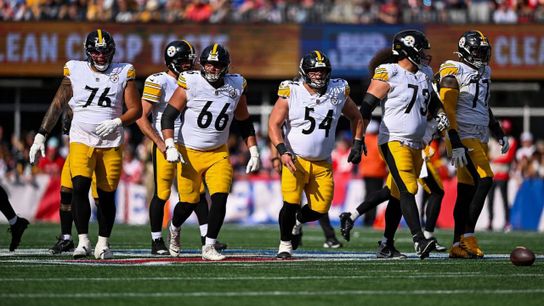
Steelers.com
The Pittsburgh Steelers' starting offensive line in 2025.
Maximize the Potential of the Skill Positions
The Steelers have exciting pieces at running back, tight end and receiver, but they need to elevate usage and create more explosive plays.
Offseason goals:
Encourage route diversity for wide receivers
Unlock tight end mismatches through creative alignment
Maintain a balanced run-pass attack that prevents defenses from loading the box
Pittsburgh’s skill group already has talent. The next step is turning potential into production.
Reinforce Defensive Depth
The Steelers remain known for defense, but depth issues appeared at times last season. While the team continues to produce stars, complementary pieces must step up.
Focus areas:
Cornerback rotation: More consistent coverage across all matchups
Linebacker depth: Better sideline-to-sideline athleticism
Run defense reinforcement: Ensure second-level support remains strong
Strengthening depth ensures the team can maintain defensive effectiveness even during injuries or heavy workloads.
Protect and Extend the Team’s Identity
Few franchises embody culture and identity like the Pittsburgh Steelers. Toughness, discipline and unity still represent the team—but reinforcing this identity is essential.
The offseason should emphasize:
Leadership development among rising players
Accountability at every position group
Continued focus on physicality and preparation
A strong locker room culture is one of Pittsburgh’s most reliable assets.
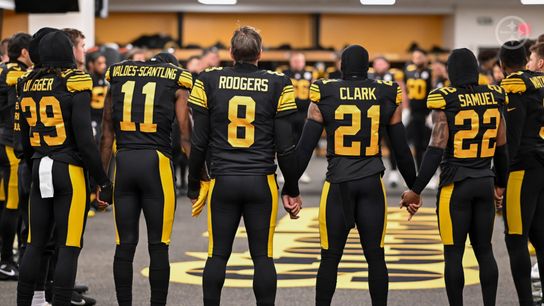
Karl Roser / Pittsburgh Steelers
Improve Situational Football
The Steelers’ struggles in third-down conversions, red-zone scoring and late-game management proved costly. Next season, they’ll need:
Sharper decision-making in crucial moments
Better two-minute execution
More urgency when protecting leads
Progress in situational football often determines whether a team ends a season just short—or playing in the postseason.
The Pittsburgh Steelers have the tools, heritage and internal resilience to take meaningful steps forward next season. Whether it’s stabilizing the quarterback position, modernizing the offense, strengthening depth or sharpening situational awareness, the blueprint is clear.
Fans—whether breaking down film, debating roster moves or taking a moment to unwind with online slots real money between news updates—know that Pittsburgh’s foundation is strong. With thoughtful adjustments and a renewed commitment to identity, the Steelers can enter the new season poised for a significant leap, both in performance and consistency.