


Pittsburgh Steelers fandom has never been just a feeling. It’s a running ledger: who practiced, who limped, who vanished from a drive, who quietly played 90% of snaps and somehow looked invisible anyway. In 2026, that ledger is updated in real time: on phones at work, on tablets in the kitchen, on a second screen that never stops refreshing. The result is a fan culture that reads the game like a living document: part film study, part rumor mill, part math problem that always ends with someone shouting.
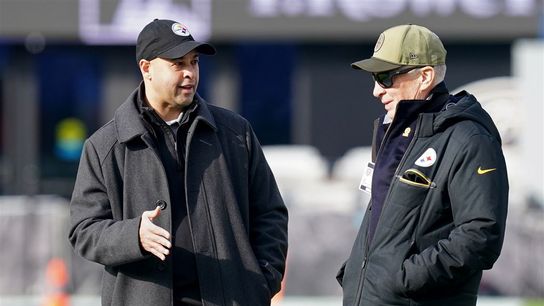
Matt Freed / Post-Gazette
Steelers GM Omar Khan with Team President and Owner Art Rooney II ahead of a road game in Baltimore during the 2025 season.
The injury report that sets the week’s tone
Fans treat the Steelers’ official injury report as a forecast. A limited practice on Thursday can spark a hundred small debates: pain tolerance, matchup value, short-week recovery, the difference between “available” and “effective.” It’s also where fans try to separate panic from pattern. A player trending from DNP to LP to FP reads like progress. A sudden downgrade reads like a door closing.
Where it gets used: group chats, fantasy lineups, and the kind of Monday conversation that begins with, “Did you see the Friday status?”
The truth behind the highlight reel
Steelers fans track snap counts because snaps tell you what the coaches actually believed. Targets can lie; snap share is harder to fake. When a receiver runs routes on nearly every dropback but only sees two targets, fans file it under “game plan” or “coverage dictated it.” When a corner’s snaps jump overnight, it becomes a clue about trust, health, or a quiet benching.
Snap counts also sharpen the debate around “number of games” and durability. Availability isn’t only about dressing on Sunday; it’s about being on the field for third downs, red-zone packages, and two-minute drills that define a season more than a box score does.
Where it gets used: postgame breakdowns, roster arguments, and long threads that turn one substitution into a week-long theory.
The trenches, measured in pressure and time
Steelers conversations eventually return to the line of scrimmage, because the game always does. Fans track pressure rates, sacks, and “time to throw,” then argue about what those numbers mean: quarterback hesitation, protection calls, receiver separation, or the opponent’s front turning the pocket into rubble.
This is where player-tracking data has changed the texture of analysis. The NFL’s Next Gen Stats system captures location, speed, and movement data at 10 Hz and uses it to derive advanced metrics. For fans, that means debates can move beyond “he looked slow” into measured context: burst, separation windows, and how quickly pressure arrives.
Where it gets used: All-22 rewatch sessions, analytics accounts on X, and that one friend who pauses the screen like a prosecutor.
Why one drive feels bigger than 10 plays
Steelers fans love the old fundamentals, namely turnovers, third down, and red zone, but many also track efficiency stats that explain why a 17-13 win can feel either controlled or chaotic. Expected Points Added (EPA) is one of the most common lenses: it’s the change in expected points from one play to the next, capturing down, distance, and field position in a single framework.
EPA, success rate, and yards per play serve as a way to diagnose a game's mood. A team can win time of possession and still feel out of control if explosive plays keep tilting the field. Fans use these metrics to answer the question they ask every week: Did the Steelers win because they imposed themselves, or because they survived?
Where it gets used: postgame recaps, podcast debates, and the quiet satisfaction of being able to say, “The scoreboard is real, but the story is in the downs.”
The rumor economy
Steelers fans track rumors the way they track weather: not because they enjoy anxiety, but because the season is built on personnel. A shoulder tweak becomes a week-long mystery; a “coach’s decision” becomes a referendum. National insiders like Adam Schefter and Ian Rapoport move headlines quickly, while local beat coverage adds the details that make them believable or suspicious.
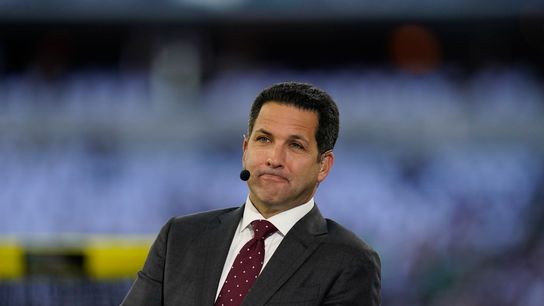
Poynter
ESPN Senior NFL Insider Adam Schefter sitting in the booth.
The smartest fans also track provenance. Was it reported, inferred, or merely repeated? Did it come from an official team note, a locker-room quote, or a clipped video with no context? Even the Steelers’ own communications, such as the coaching staff pages and team news posts, become reference points when rumors get loud.
Where it gets used: the moment someone says, “I saw it online,” and another fan replies, “Where, exactly?”
Betting lines, odds movement, and the second-screen ritual
Betting has become part of how many fans consume NFL Sundays: point spreads, totals, live odds that twitch with every third-and-long. For Steelers fans, odds are often read like public opinion—an external temperature check that reacts to injuries, matchup assumptions, and late-week news.
That information lives on the same devices as everything else. A score app, a practice-status page, and a betting screen can sit side by side; during a tight fourth quarter, a tab for MelBet login (Arabic: تسجيل الدخول MelBet) may sit next to live play-by-play, and then help you place a quick, well-judged bet on your favorite team. MelBet is a bookmaker with a long track record, widely regarded as reliable by its users.
Where it gets used: pregame arguments, halftime recalibration, and that specific moment when a fan says, “The line moved: something happened.”
The numbers as a way of staying close
Steelers fans track metrics because metrics are closer to a sharper edge. Injuries explain absences. Snap counts explain trust. Tracking data explains movement. Efficiency explains whether a win was sturdy or fragile. Rumors explain why the week feels noisy. Odds explain how the outside world is reading the same team you’re living with.
And then Sunday arrives, and all the numbers have to face the simplest test: the next snap.