


The Pittsburgh Steelers are entering one of the most pivotal transitions in franchise history. With a new coaching era, roster reshaping, and ongoing quarterback uncertainty, the 2026 season is shaping up to define the next chapter of Steelers football.
Karl Roser / Pittsburgh Steelers
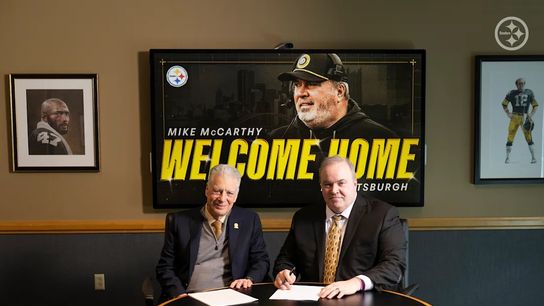
New Steelers head coach Mike McCarthy signs his contract at the UPMC Rooney Sports Complex.
For fans following every update on platforms like SteelerNation.com, this isn’t just another offseason—it’s a reset with serious expectations.
A New Era Begins in Pittsburgh
For the first time in nearly two decades, the Steelers are moving forward without long-time head coach Mike Tomlin, who stepped down after the 2025 season. His departure marked the end of a remarkably consistent era that included 19 straight non-losing seasons but also a frustrating stretch of playoff struggles.
Stepping into that void is Mike McCarthy, tasked with modernizing the team while maintaining its identity. The Steelers remain one of the NFL’s most stable organizations, but change at the top always brings uncertainty. The pressure is immediate: improve on a 10–7 record and finally snap a long postseason drought.
This transition is more than symbolic—it’s strategic. McCarthy’s offensive philosophy could reshape how Pittsburgh approaches quarterback development, passing schemes, and game tempo. Fans should expect noticeable differences as early as Week 1.
Roster Moves Signal Aggressive Intent
The Steelers have not been passive this offseason. Instead, they’ve actively reinforced key positions, signaling a clear intent to compete now rather than rebuild slowly.
One of the biggest headlines was the acquisition of wide receiver Michael Pittman Jr., adding reliability and physicality to the passing game. Paired with existing talent, this move strengthens a receiving corps that lacked consistency in critical moments last season.
On defense, the Steelers continue to invest in depth and versatility. The addition of players like Jamel Dean and Darnell Savage addresses gaps in the secondary, while reinforcing a unit that has traditionally been the backbone of the franchise.
Meanwhile, veteran leader Cam Heyward remains a cornerstone after securing a contract extension, proving the team still values experience alongside youth.
These moves reflect a balanced approach: maintain defensive identity while upgrading offensive weapons.
The Quarterback Question Looms Large
Despite improvements across the roster, one issue continues to dominate headlines—the quarterback situation. The potential return of Aaron Rodgers remains uncertain. Reports suggest the Steelers are preparing contingency plans, including drafting a quarterback if needed.
Karl Roser / Pittsburgh Steelers
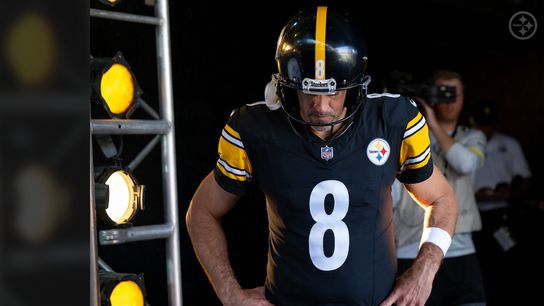
Pittsburgh Steelers quarterback Aaron Rodgers (8) prior to a regular season game between the Pittsburgh Steelers and the Seattle Seahawks, Sunday, Sept. 14, 2025 in Pittsburgh, PA.
This uncertainty creates both risk and opportunity. On one hand, waiting for a veteran's decision could delay long-term planning. On the other hand, drafting a young quarterback could set the foundation for sustained success.
Internally, the team still has developing options, but none are proven franchise leaders. That’s why the upcoming NFL Draft is critical. With multiple picks available, Pittsburgh has the flexibility to address both immediate needs and future stability.
Simply put, the quarterback decision will define the ceiling of this team in 2026.
Draft Strategy and Long-Term Vision
Holding the 21st overall pick and multiple selections, the Steelers are in a strong position heading into the draft.
There are two likely approaches:
Stay patient and build depth across key positions
Package picks to move up for a high-impact player
Recent projections suggest the team may lean toward value and depth rather than aggressive trades. That aligns with Pittsburgh’s historical strategy—build through consistency rather than flashy moves.
However, don’t be surprised if the quarterback needs to force a shift in philosophy. When stability under center is in question, even traditionally conservative teams become aggressive.
Fan Experience and Culture Still Matter
While roster construction dominates headlines, the Steelers are also paying attention to the fan experience. Planned updates to Acrisure Stadium reflect a commitment to improving game-day atmosphere, even down to visual changes in seating design.
This matters more than it seems. Pittsburgh’s identity is deeply tied to its fan base, and maintaining that connection is crucial during periods of change.

Steelers.com
A plethora of Steelers fans wave the infamous Terrible Towel during a home football game in Pittsburgh, PA.
Whether at the stadium or watching from home, fans are finding new ways to stay comfortable and engaged during long game days. Many are even upgrading their setups with tools like massagers, helping turn every Steelers game into a more relaxed and enjoyable experience—especially during high-stress fourth quarters.
Final Thoughts
The Steelers are not rebuilding—they’re recalibrating. That distinction matters. With a new head coach, strategic roster additions, and a pivotal draft ahead, Pittsburgh is positioning itself for both immediate competitiveness and long-term success. The path forward isn’t fully defined yet, but the direction is clear.
For fans following every development, this season offers something rare: uncertainty mixed with genuine potential. And in the NFL, that combination often leads to the most compelling stories.