


In the NFL, there’s a popular saying repeated each season: The crowd is the “12th player," especially with Steeler Nation at Acrisure Stadium. But that is not just a metaphor that fans use to describe excitement — it describes something structurally real about the way games of football are experienced and influenced.
Getty Images
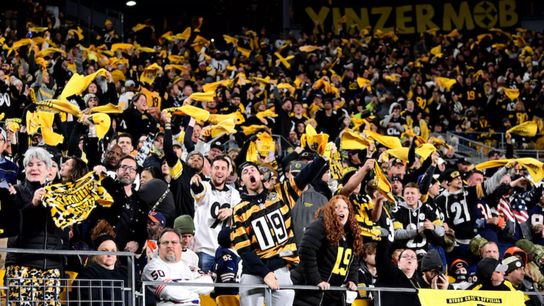
Pittsburgh Steelers fans wave their Terrible Towels aggressively as Styx famous song, Renegade plays during a home game at then-Heinz Field in Pittsburgh, PA.
When tens of thousands of voices in a stadium react unanimously, the game is no longer just about what happens on the field. It is a hallucinatory collective psychological field, where sound and emotion and expectation actively shape the way the game is played.
There is no silence in NFL games » They are played with energy
Understanding the subalpine way in which crowd energy shapes experience means seeing football not only as a physical contest, but as a psychological system of players, fans, space and emotion firing at once.
What Do We Mean by “Crowd Energy” in Football?
The crowd noise is not just random, the energy of a crowd is more than just crudely loud. There are a number of things going on at the same time:
Volume (cheering, chanting, reactions)
Rhythm (chants, synchronized timing, waves of momentum)
Emotion (hope, tension, frustration, excitement)
They won't be synchronized (thousands at the same time)
These things coalesce into a collective force in NFL settings.
And crowd energy isn’t random; it’s structured by the game itself. Big plays lead to responses, which ratchet up emotional intensity, which then affects play’s next sequence. That makes crowd energy a feedback system, not just a background effect.
Why Crowd Base Is a Very Strong Influencer
The psychological mechanism driving crowd energy appears to be emotional contagion, the human tendency to catch the feelings of others.
This occurs at scale in a stadium environment. One interception, one sack, one touchdown leads to thousands of reactions in unison. That collective reaction in turn reverberates into the emotional condition of players and onlookers alike.
Crowd noise can also influence: according to sports psychology research
player confidence
attention and focus
decision speed
stress levels under pressure
Even officials are not immune. Referees are known to subconsciously alter decisions based on crowd reactions, particularly in high-pressure environments with loud noise and emotional intensity.
Steelers.com
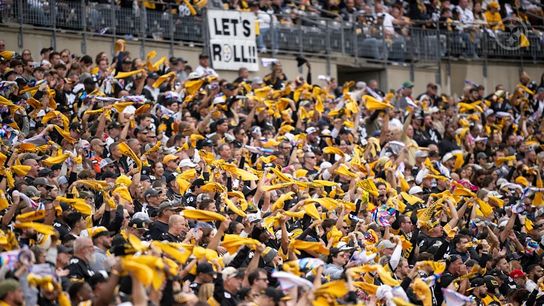
That means crowd energy doesn’t merely “support” the game — it constitutes, in subtle ways, its bloodstream.
Stadium Architecture, or Why Energy Gets Amplified
Not all the stadiums have a uniform atmosphere. The shape of a stadium significantly alters the experience of crowd energy.
Key design factors include:
interiors that are closed or semi-closed and trap sound
steep-seated to bring fans closer to the field
noise-amplifying surface materials
Crowd density and distances to players
Certain stadiums have such tight acoustic pressure that sound becomes something to feel rather than simply hear. This amplifies the players’ perception of the environment.
That can present communication issues for visiting teams, particularly on offenses reliant on vocal coordination. Snap counts, audibles and adjustments are much more difficult to execute in boisterous settings; the risk of errors and penalties goes up dramatically.
This is how stadium design converts fan energy into a physical consideration when it comes to gameplay.
Momentum: the Impact of Crowd Energy on Game Flow
Much has been made of the but-to describe something as intangible as momentum in football, because crowd energy makes it feel real.
When a home team delivers on a big play, like throwing a touchdown pass or dashing for a long run, the stadium responds instantly. That reaction:
increases player adrenaline
boosts confidence and aggression
puts pressure on the opposite team
reinforces the feeling of control
This creates a feedback loop:
big play → crowd goes wild → player gets fired up by crowd → plays better → crowd reacts even bigger
Over time, this loop can change the entire cadence of a game:
Momentum is unrecorded in official statistics, but impressively acknowledged in sport performance reviews as it affects pacing, decision makings and emotional control.
Emotional Synchronization of Fans and Players
NFL games have this unique thing that the crowd reaction matches with players doing something weird on the field.
Players are often ignited with tension when fans react en masse to a key third down or red zone possession. Not coincidence — but shared emotional timing.
Crowd energy creates:
urgency in defensive stands
heightened focus in offensive drives
that extra effort at the right physical moments
Players often refer to this as “feeling the stadium,” when energy becomes some version of an external motivational system.
There is a kind of identification that separates you from your team, and in this way the crowd and the team become one emotional unit during the game.
Visual Languages and Crowd Sciences
Crowd energy is not just something you hear — it’s something that you feel, that we all feel.
The sight of hordes of fans wearing the same team colors or symbols and jawing in unison is a potent conduit. This visual coherence enhances psychological belonging and renders the aggregate: a single organism as opposed to those individuals.
Even minute elements of expressiveness in fan culture augment this effect by binding at least thousands of people in the stadium into a common identity.
To maintain that sense of unity, contemporary athletic settings typically employ organized identity systems — uniforms, coordinated fan imagery and symbolic representation. These principles find similar reflection in performance-driven sports ecosystems such as USportsGear, wherein the presentation and guarding of identity components is part of how teams and fan cultures visually unify, not fragment. In the same broader landscape of fan expression, accessories and wearable identity tools—such as those explored by 4inlanyards in custom fan environments—also contribute to how collective visual identity is reinforced and experienced within stadium culture.
Silence As A Psychological Weapon
If noise is strong, silence can be even stronger.
At urgent times — when teams are in third-down situations, or have been driving during the final minute of a game — stadiums are often eerily silent. This silence exerts a different kind of pressure:
players face heightened sense of awareness about mistakes
communication becomes more exposed
anticipation increases stress levels
every sound feels amplified
Silence in football is not emptiness — it is pressure packed in tight.
It is this duality of crowd energy (noise, then silence) that renders NFL environments psychologically intricate.
Home Playground and Crowds
In NFL history, home teams win more often than visiting teams, and crowd energy is one of the significant contributing factors.
Home-field advantage is influenced by:
crowd noise disrupting communication
emotional support boosting performance
psychological comfort in familiar environments
pressure placed on visiting teams
Research also indicates that home advantage diminishes when crowds are reduced or eliminated, reflecting the extent to which fan attendance shapes outcomes.
This is a reinforcement of the notion that crowd energy isn’t metaphorical — but structurally changing.
Rivalries, Crowd Aggression
Not every game generates the same crowd energy. Rivalry games amplify everything.
In rivalry matchups:
emotional stakes are higher
crowd participation is more intense
realizations are more immediate and attacking
the psychological pressure mounts on both sides.
This is where the crowd energy is at its most heightened — because you have identity and you have history, and you have competition that all comes together under one roof.
Wrap: The Crowd Is the Game
NFL games are often phrased in terms of combat, two teams going up against each other. But actually, there’s a third force continually altering the experience: the crowd.
Steelers.com
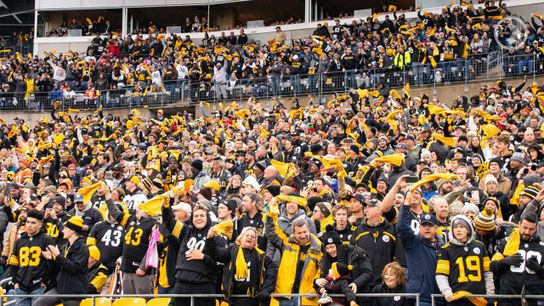
A plethora of Steelers fans wave the infamous Terrible Towel during a home football game in Pittsburgh, PA.
The crowd dynamic can affect emotion, communication, momentum and perception. It shapes player performances, the flow of games and the recollections of moments.
Football isn’t just played on the field — it’s lived in the stands, it’s magnified by architecture, and it’s powered by collective human behavior.
In the NFL, silence is not an option. It is shared.