


The Pittsburgh Steelers enter 2026 with plenty of new pieces to evaluate on the offensive side alone this season. Mike McCarthy is beginning his first season as head coach, Aaron Rodgers is leading the offense, and several skill-position roles have changed around him.
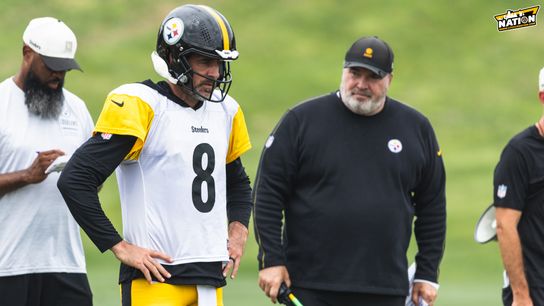
Jordan Schofield / SteelerNation (X: @JSKO_PHOTO)
Steelers' Aaron Rodgers (8) during 2026 training camp as Head Coach Mike McCarthy looks on in Latrobe, PA.
For bettors, those changes make the opening weeks especially interesting. Passing volume, backfield touches, receiver targets and red-zone opportunities provide early evidence of how Pittsburgh is distributing opportunities across its new offense.
A New Steelers Offense Changes the Prop Picture
Past production provides useful context, but Pittsburgh's personnel changes mean last season cannot serve as a blueprint for 2026. McCarthy and offensive coordinator Brian Angelichio must establish how the offense functions around Rodgers and a reshaped supporting cast.
The first four games against Atlanta, New England, Cincinnati and Cleveland should answer some key questions. How often will Rodgers throw? How will Pittsburgh divide backfield work between Jaylen Warren and Rico Dowdle? How heavily will Michael Pittman Jr. feature underneath while DK Metcalf stretches the field?
Those changing roles give bettors several player prop bets to assess across Pittsburgh’s offense, including passing yards, rushing totals, receptions and touchdowns. The key early on is connecting each market to expected opportunity rather than relying on reputation alone.
Aaron Rodgers and the Quick-Passing Question
Rodgers is a logical starting point because Pittsburgh's passing approach directly affects receiving volume and other offensive prop markets. Passing yards will attract attention, but completions and attempts could be just as revealing.
Rodgers' release time, average depth of target and pressure rate are more useful early indicators than assuming Pittsburgh will adopt a particular passing style. Short throws, checkdowns and intermediate routes could allow Pittsburgh to keep Rodgers comfortable without abandoning the passing game.
That creates an important distinction. Plenty of completions do not necessarily translate into a huge yardage total. Bettors should compare Rodgers' attempts and completions with his passing-yard line rather than assuming all three markets point in the same direction.
Matchups matter, too. Opponent pressure rates, coverage tendencies and Pittsburgh's protection performance add matchup-specific context to Rodgers' passing props. Following analysis of upcoming NFL games and props can add context as opponents, performances and markets become clearer.
Backfield Usage Will Define the Running Back Props
Pittsburgh's backfield presents a different question. Dowdle and Jaylen Warren offer different prop opportunities, making their roles more important than total touches.
Rico Dowdle: Carries and Rushing Yards
Dowdle's share of Pittsburgh's early-down work is one of the backfield roles to track alongside Warren's usage. His carry share provides a clearer measure of his role than an isolated rushing-yard total. Consistent early-down usage would establish Dowdle as a meaningful part of Pittsburgh's conventional rushing plan.
Game script also affects rushing volume, particularly when Pittsburgh plays from ahead or falls into obvious passing situations. Rather than reacting to one rushing total, bettors can watch whether Dowdle’s carry count remains consistent as September develops.
Jaylen Warren: Receptions and Scrimmage Work
Warren offers a contrasting angle. Routes, targets and third-down snaps provide the clearest evidence of Warren's receiving role, while reception props reflect how frequently Rodgers uses him as an outlet. Routes, targets and third-down snaps will therefore matter.
Pressure rate and Warren's route participation add useful context when evaluating his reception opportunities from one matchup to another. The opening weeks should reveal whether Warren’s receiving involvement is a consistent part of Pittsburgh’s offense or more dependent on game script.
Pittman’s Role Puts Reception Props in Focus
Michael Pittman Jr.'s early role deserves attention through his work on short and intermediate routes, where target volume directly informs reception props. His ability to work underneath and through intermediate areas gives Rodgers a different option from the more explosive DK Metcalf.
That contrast could define Pittman’s early role. How defenses allocate coverage between Metcalf and Pittman adds another layer to Pittsburgh's target distribution.
Reception props are therefore the obvious place to look first as his role develops. Target volume and first-read involvement should indicate whether Pittman is becoming a dependable chain-moving option or simply one part of a widely distributed passing attack
One quiet yardage game should not necessarily change that assessment. If Pittman consistently attracts targets, particularly on third downs and shorter routes, his reception totals provide a clearer measure of usage than weekly receiving-yard fluctuations.
DK Metcalf Brings the Big-Play Variable
Metcalf brings something different to Pittsburgh’s new passing attack. His vertical role makes target depth particularly important when evaluating his receiving-yard props.
Raw target totals only tell part of that story for prop bettors. Five mostly short targets and five deep opportunities are very different propositions for a receiving-yard market.
Opposing coverage, pass protection and Rodgers' willingness to attack vertically should all be monitored throughout early matchups. Regular downfield opportunities give Metcalf a different yardage profile from a receiver dependent on higher short-area target volume.
That makes the type of target especially important during September, particularly for yardage props. Pittsburgh's first few games should show whether Metcalf is primarily being used to stretch defenses or given a broader role throughout the passing game.
Pat Freiermuth Puts Red-Zone Props on the Radar
Pat Freiermuth adds another dimension because his most interesting early markets may emerge closer to the goal line. Receptions deserve attention, but touchdown props will depend heavily on how Pittsburgh constructs its red-zone offense.
Angelichio's background working with tight ends gives bettors another reason to monitor personnel packages. Multiple-tight-end formations and routes through the middle could create opportunities for Freiermuth without guaranteeing a dramatic increase in overall targets.
Red-zone usage should provide the clearest clues. Routes, targets and snaps inside the 20 can reveal more than whether Freiermuth happened to score the previous week.
Dowdle's role matters here as well, particularly on goal-to-go offensive snaps. If he becomes Pittsburgh's preferred option near the goal line, those carries could influence how frequently Rodgers looks toward Freiermuth and other receivers in scoring situations.
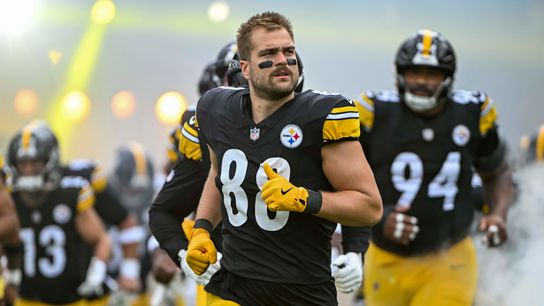
Barry Reeger / Imagn Images
Pittsburgh Steelers tight end Pat Freiermuth (88) enters the field before a game at Acrisure Stadium.
The First Few Weeks Should Bring More Clarity
September should bring clarity for Steelers bettors. Rodgers' passing volume, the Dowdle-Warren split, Pittman's targets, Metcalf's downfield opportunities and Freiermuth's red-zone role should gradually replace preseason expectations with regular-season evidence.
No single performance will provide every answer, so emerging patterns will matter more than isolated results. As Pittsburgh's new offensive roles take shape, bettors should gain a stronger foundation for identifying which prop trends deserve attention deeper into 2026.
*Content reflects information available as of 27/08/2026; subject to change