


There used to be a very predictable script for watching a close Pittsburgh Steelers game in the fourth quarter. Allow the kicker to score three points, run the ball between the tackles, waste time, and rely on a ferocious defense to clamp down when things stalled inside the opponent's ten-yard line.
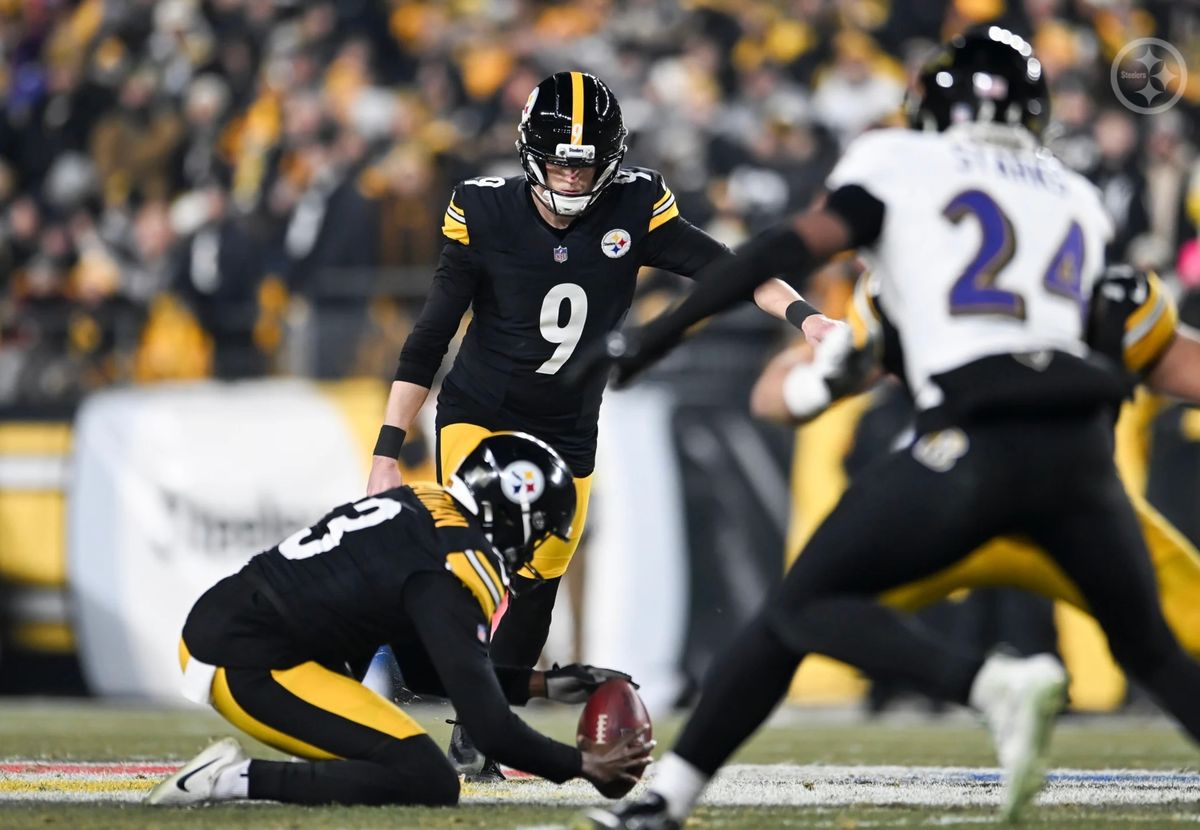
Alysa Rubin / Pittsburgh Steelers
Steelers kicker Chris Boswell lines up for a kick against the Baltimore Ravens in Week 18 of the 2025 regular season.
That traditional rhythm has taken a backseat. The goal-line mentality in close games has become one of the most hotly contested things in town since Mike McCarthy is in charge of the offense. His choices when gazing down the end zone are either calculated aggression or outright reckless gambling, depending on whose side of the fence you are on.
The Philosophy of Keeping the Pedal Down
To understand what McCarthy is trying to build, you have to look at how modern NFL offensive efficiency actually works. When facing high-scoring offenses, settling for field goals inside the red zone is frequently just a sluggish way to lose.
McCarthy’s tactics become extremely aggressive once the attack reaches the opponent’s ten-yard line, especially in close matches. Instead of choosing safe interior runs to build up a fourth-and-short or a straightforward kick, he focuses on pass-heavy tactics, pre-snap action, and quick-trigger throws.
Challenging the Box: Defenses expect heavy personnel inside the five. In response, McCarthy forces defensive coordinators to disperse their secondary instead of stacking the line of scrimmage by having three wide receivers on the field.
Fourth-Down Mindset: He frequently calls plays created especially with a fourth-down conversion attempt in mind, viewing third down in the red zone as a setup down.
When it works, it looks brilliant. Punching in seven points instead of settling for three completely changes the dynamic of a tight game, forcing the opponent to press on their next drive.
Where Aggression Crosses into Risk
The issue is that there is a very narrow line separating measured aggression from needless risk. Fans discuss the raw wound left by a high-risk play call that fails within the five-yard line for weeks.
When points are scarce, taking field goals off the board can quickly backfire. In a three-point game, giving up guaranteed points seems like giving up momentum, even though turning the ball over on downs within the five-yard line should theoretically pin the opposition deep.
This constant pursuit of maximum return is a familiar concept across high-stakes environments. In the digital world, players hunting for value look for high-yield setups like no deposit bonus crypto casinos to get ahead without burning through their upfront capital. But just like taking big shots with promotional bankrolls, aggressive play calling near the goal line carries real exposure if the play breaks down before the ball reaches the end zone.
In McCarthy’s case, throwing on 3rd-and-goal from the two when the running game has been churning out four yards a carry leaves plenty of room for scrutiny. An incomplete pass stops the clock, saves the opponent a timeout, and forces a high-stress fourth-down call.
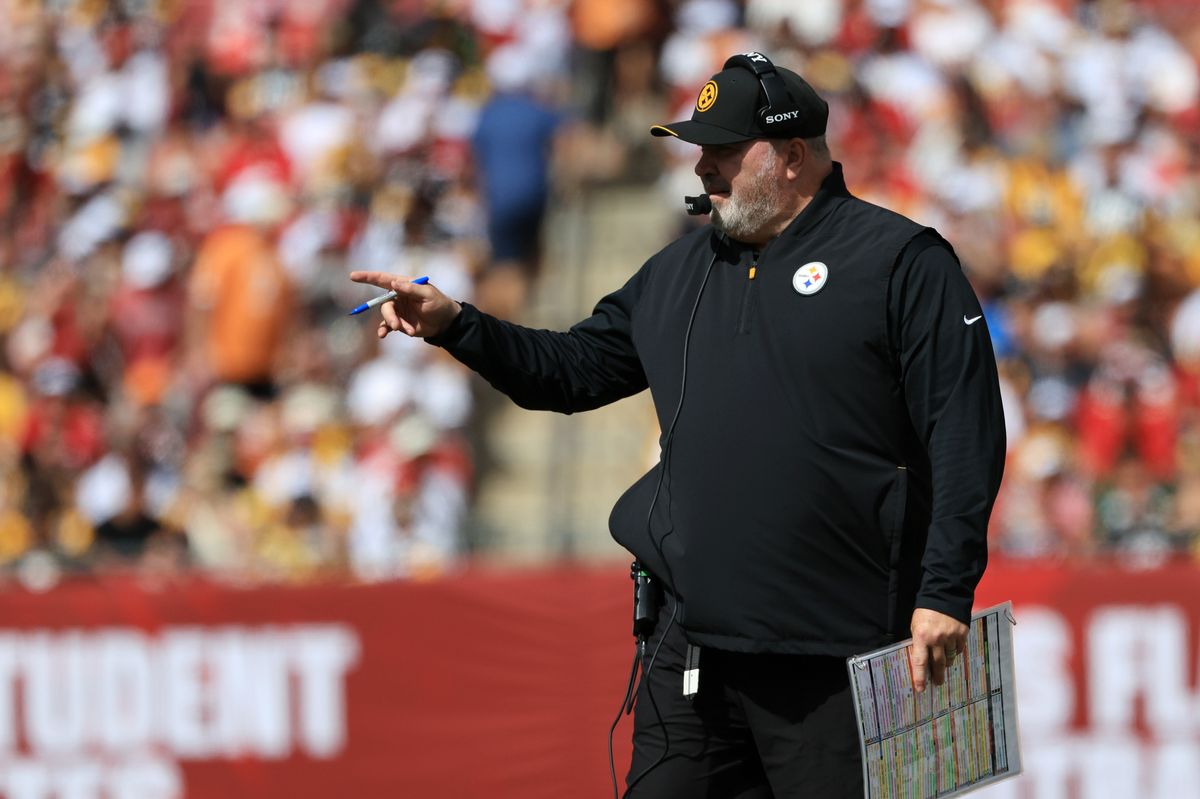
Kim Klement Neitzel / Imagn Images
Pittsburgh Steelers’ Mike McCarthy looks on at Raymond James Stadium during a 2026 game against the Tampa Bay Buccaneers.
Trusting the Veteran Execution
A big reason McCarthy feels comfortable pushing the envelope near the goal line is who he has running the show on the field. A head coach has more freedom to throw complicated packages at a defense in confined places when they have seasoned leadership behind center.
The math works in favor of the offense when the quarterback can read the blitz at the line and check into a quick slant or fade pattern. McCarthy believes that tight-window passes are really higher-probability plays than attempting to force a stacked front backward against a strong defensive line, and he has faith in his pass-catchers to win one-on-one matchups on the outside.
Isolation Routes: Putting top receivers on single coverage out wide takes advantage of defenders playing back to guard the end-line.
Play-Action Off Run Looks: Fake handoffs out of heavy goal-line formations freeze linebackers just long enough to slip tight ends into the back of the end zone.
Finding the Right Balance Going Forward
Nobody complains about aggressive play-calling when the ball hits the receiver in stride for six points. Aggression is praised as fearless coaching right up until an incomplete pass or a goal-line drop turns into a turnover on downs.
For the Pittsburgh Steelers to make a real run down the stretch, McCarthy doesn't need to throw out his philosophy, but he does need to adjust his timing. Recognizing when a game demands a brutal, clock-draining three points versus when it requires a ruthless touchdown drive is the mark of a great head coach.
If McCarthy can strike that balance between trust in his scheme and respect for the game situation, this goal-line attack can transform from a source of fan anxiety into the team's biggest weapon.