




The Pittsburgh Steelers' player-led leadership is now being called into question. After another disappointing loss and another avoidable controversy, a longtime Steelers beat writer suggested some of what this locker room tolerates would never have lasted with past Pittsburgh teams. The conversation has moved beyond play calls and missed opportunities. There is a growing question about what behavior this team accepts and who is responsible for stopping it.
Joseph Maiorana / Imagn Images
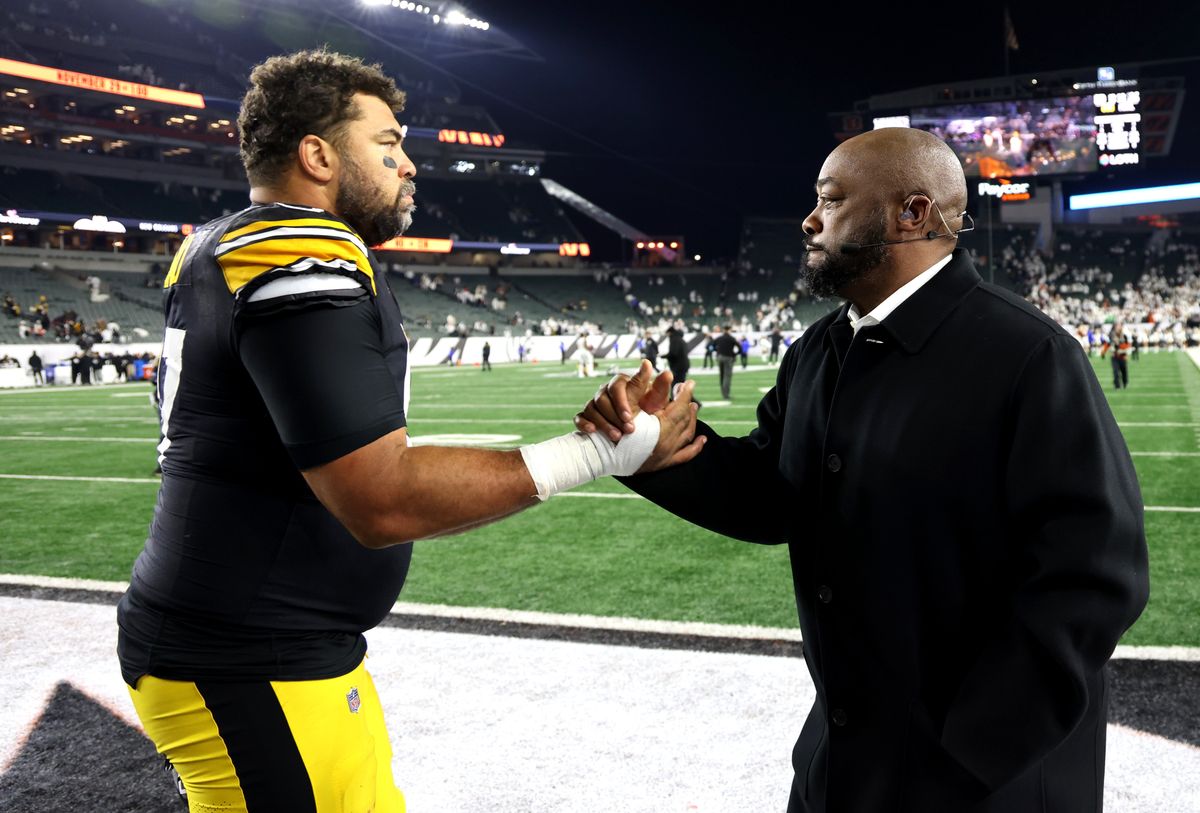
Steelers' Cam Heyward meets up with former Head Coach Mike Tomlin during the 2026 season.
That is a difficult subject because leadership is not something fans can measure from a box score. Nobody outside the building hears every conversation or sees every correction made between teammates. Still, the actions that reach the field give people a reason to wonder whether those conversations are producing the desired response.
Gerry Dulac did not hold back when accountability came up in his Pittsburgh Post-Gazette reader chat. He believes some of what is being tolerated now would not have lasted in past Steelers locker rooms. And he wasn't reaching back to the 1970s to make his point.
"Things that I see and that are allowed to go on would never continue in the old locker rooms, and I'm not even talking about the [Joe] Greene and [Jack] Lambert days. None of that would go on in the 2000s locker room," Dulac said.
That is a pointed observation from someone who has covered Pittsburgh across different eras. Dulac was not simply arguing that football used to be better. He was questioning whether the current environment allows conduct to continue that previous groups would have addressed.
His wording also deserves care. Dulac did not identify a particular captain as the problem, describe a specific confrontation or explain exactly how former players would have intervened. Turning his answer into a personal attack on one current leader would go beyond what he said.
The broader issue is whether teammates can enforce expectations before coaches have to become involved. That only works, though, when the message is followed by a change in behavior.
Alysa Rubin / Pittsburgh Steelers
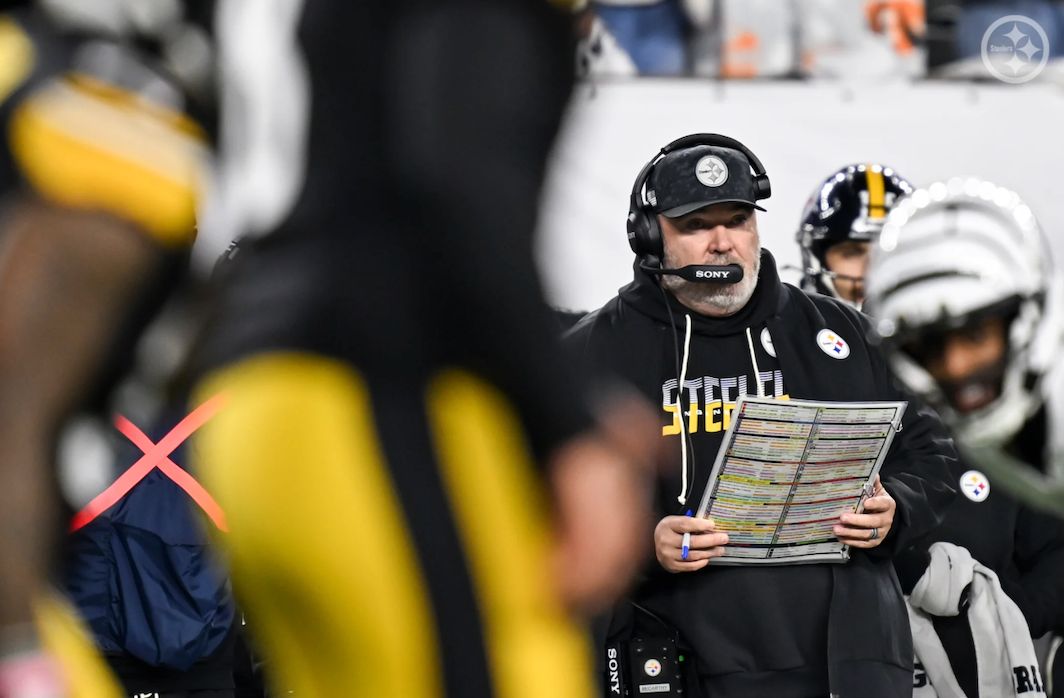
Steelers' Mike McCarthy coaching during the 2026 season.
Nobody needs to see a veteran screaming on the sideline to believe he's leading. Sometimes it's pulling a teammate aside and telling him that whatever just happened cannot happen again. Fans don't have to hear that conversation, but they should eventually see a change in how the team plays.
What fans should eventually see is the result. If the same avoidable problems keep returning, it becomes reasonable to ask whether the approach is effective. Private accountability cannot be evaluated from outside, but repeated public mistakes will keep raising that question.
DK Metcalf's ejection against Philadelphia has made the discussion relevant. A veteran receiver leaving his teammates short because of personal fouls creates consequences beyond his own afternoon. It also forces the rest of the group to respond to a problem that preparation alone cannot prevent.
That incident does not establish that every leader failed or that nobody tried to intervene. It does provide an example of why accountability has become part of the conversation. Pittsburgh needs players who can handle frustration without making the next possession more difficult for everybody else.
Dulac's reference to the 2000s is interesting because those teams are familiar enough for many fans to remember. His point was that a different standard existed within those rooms. Whether or not supporters agree with every part of that comparison, the challenge it presents to this group is straightforward.
Steelers Need Their Locker Room Standards To Produce Better Results
Mike McCarthy can establish expectations, but players spend enough time together that the responsibility cannot stop with him. Teammates have to know what they owe one another when things become uncomfortable. A standard loses credibility if it only applies when somebody outside the locker room brings it up.
The current group does not need to imitate every personality from a previous decade. It does need a way to correct behavior that keeps hurting its chances. The most useful answer to Dulac would be a team that handles adversity with more discipline.
Do you agree with Gerry Dulac's comparison of the Pittsburgh Steelers' current locker room to the 2000s teams? Share your thoughts on X with @anthonyghalkias and follow for more Steelers coverage and discussion.
#SteelerNation
SteelerNation in your inbox
The biggest Steelers stories, free, straight to your email.