




The Pittsburgh Steelers have given their fans quite a bit to digest heading into Thanksgiving. At 11:10 p.m. ET on Tuesday, the organization announced that Mason Rudolph would start against the Denver Broncos on Black Friday, leaving Aaron Rodgers inactive. The announcement seemingly came out of nowhere, especially considering how Head Coach Mike McCarthy had publicly supported his veteran quarterback earlier in the week. However, someone who regularly interacts with Rodgers had been noticing something unusual long before Pittsburgh made the switch.
Karl Roser / Pittsburgh Steelers
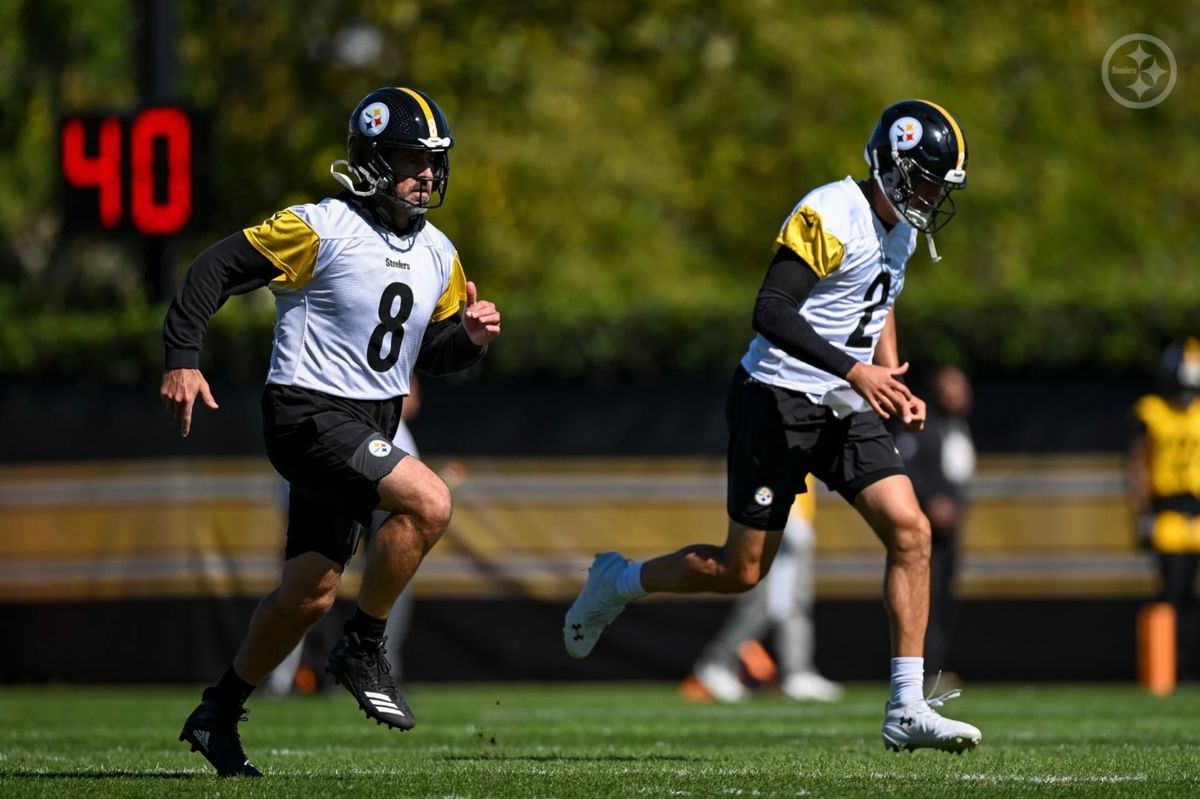
Steelers' Aaron Rodgers runs during a practice in 2026 alongside Mason Rudolph.
There has never been a shortage of interesting material when Rodgers steps in front of a microphone. Whether he is breaking down a defensive coverage, defending a teammate or discussing something completely unrelated to football, the four-time MVP generally gives reporters plenty to work with.
Apparently, those conversations had become considerably shorter in recent weeks.
During a Wednesday appearance, longtime Steelers insider Mark Kaboly explained that he had noticed a shift in Rodgers' demeanor dating back to Pittsburgh's 27-6 victory over the Cleveland Browns on November 1. What made the observation particularly interesting was that it began following one of Pittsburgh's most convincing wins of the season.
“After they destroyed the Browns, he did that postgame press conference. It's like, what's wrong with him? Then every time, even yesterday, the first 10 questions might have resulted in eight-word answers,” Kaboly said.
A frustrated quarterback following a loss is hardly breaking news in the NFL. When a veteran starts communicating differently after a comfortable divisional victory, however, the people who cover him every week are naturally going to notice.
Kaboly made an important distinction when discussing Rodgers' behavior. From what he could observe, the quarterback had not undergone the same noticeable change when interacting with his teammates.
“Seemingly his demeanor has changed over the past three or four weeks. Not with his teammates. It seemed like they were still very talkative and nothing has changed for that. But when he talked to us and just how he spoke, it's just like, what's going on with this guy?” Kaboly said.
That observation complicates the idea that Rodgers had simply grown frustrated with everyone around him. Kaboly also described the veteran as increasingly deliberate when choosing his words and wondered whether something involving the front office contributed to the change. He did not claim to know that for certain.
Pittsburgh's offensive struggles have certainly provided enough reasons for frustration without any additional drama. Rodgers has been sacked 31 times through 10 games this season, already exceeding his total from last year. The Steelers have also dropped consecutive contests, including Sunday's disappointing 19-16 loss to the Philadelphia Eagles.
Jordan Schofield / SteelerNation (X: @JSKO_PHOTO)
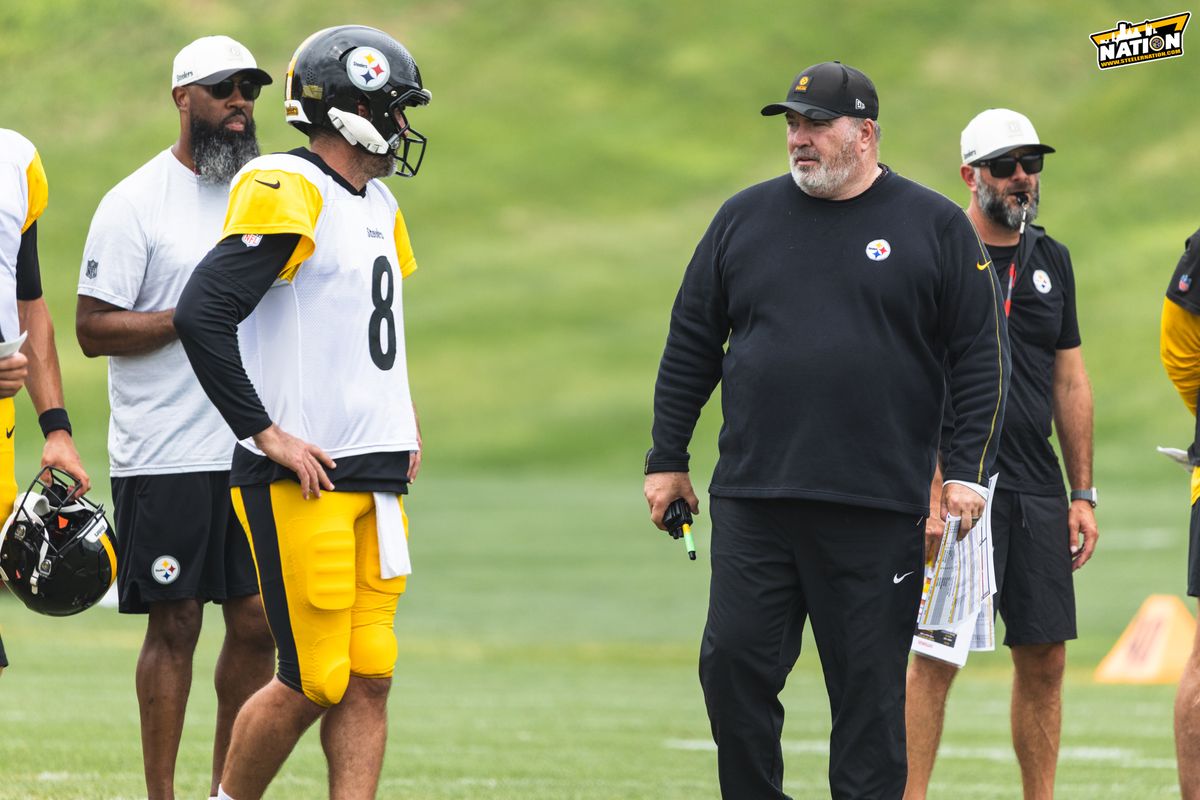
Steelers' Aaron Rodgers (8) converses with Head Coach Mike McCarthy in Latrobe, PA.
Still, the timeline Kaboly described is interesting because it predates both of those defeats. Pittsburgh entered its bye week at 6-2 following the Cleveland victory. At that point, discussing a potential quarterback change would have sounded considerably more premature than it does today.
Rodgers was hardly playing the best football of his career, but Pittsburgh was winning. McCarthy had little reason to publicly entertain the idea of replacing him, and even after two consecutive losses, the head coach initially resisted doing so.
The circumstances surrounding the late-night announcement have only invited more questions. Rodgers participated in his usual media availability on Tuesday, hours before the organization announced that he would not even dress against Denver.
Pittsburgh could have saved itself quite a few conspiracy theories by providing a more comprehensive explanation alongside its quarterback announcement. A brief statement delivered shortly before midnight was practically an invitation for everyone with a microphone to start connecting dots.
Steelers Have Left Too Many Questions Unanswered About Rodgers
Short answers during press conferences do not constitute evidence of a fractured relationship between a quarterback and his employer. Rodgers could have been frustrated with the offense, tired of answering similar questions or dealing with something that had nothing to do with his eventual benching.
Kaboly's observations deserve attention because he regularly covers the organization and has a much larger sample of interactions with Rodgers than most people watching a two-minute press conference clip from their couch.
His description of Rodgers' continued engagement with teammates is arguably the most encouraging detail. Whatever disagreements may have existed elsewhere, Kaboly did not observe the veteran withdrawing from the players around him.
The Steelers are 6-4 and preparing for a meaningful stretch of football with playoff implications. Rudolph now inherits the responsibility of getting an inconsistent offense moving, while McCarthy must manage the fallout from removing one of the most accomplished quarterbacks in NFL history.
Whether Rodgers' increasingly brief conversations with reporters were an early indication of trouble or merely an unrelated development remains unclear. Pittsburgh's silence surrounding the decision certainly hasn't made answering that question any easier.
#SteelerNation
SteelerNation in your inbox
The biggest Steelers stories, free, straight to your email.