


The Pittsburgh Steelers spent their opener reminding everyone that a defense can change a game without waiting for the offense to help. Atlanta found yards and occasionally looked comfortable, but the afternoon kept getting interrupted by plays that erased drives in seconds. Pittsburgh’s edge rushers squeezed the pocket, passes came out under stress and two interceptions helped turn a tight afternoon into a 20-13 win. One week later, the next opponent already knows where the danger starts.
Eric Canha / Imagn Images
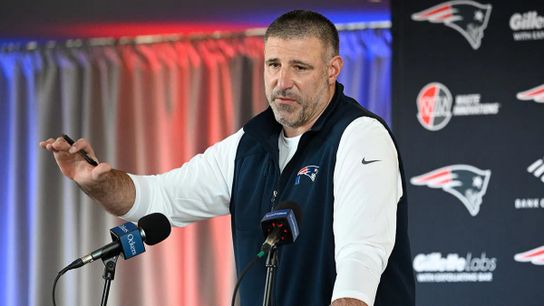
Patriots Head Coach Mike Vrabel speaks during a press conference at Gillette Stadium in 2025.
New England Patriots Head Coach Mike Vrabel did not disguise the first item on his protection checklist. Before Sunday’s matchup in Foxborough, Vrabel warned that allowing Pittsburgh to control the outside of the pocket can turn an ordinary possession into a problem before an offense has time to recover.
During his Monday press conference, Vrabel described exactly what New England must prevent.
“Defensively, if you don’t take care of the edges, it’s going to be an issue. Strip sacks, interceptions,” Vrabel said.
That is not generic coach-speak after what Pittsburgh put on film against the Atlanta Falcons. TJ Watt produced two sacks, three tackles for loss and an interception he returned 35 yards for a touchdown. Alex Highsmith added two sacks of his own, including one on Atlanta’s final third down. Cameron Heyward never recorded a sack, yet he still disrupted the passing game with three pass breakups at the line of scrimmage.
Vrabel’s warning gets more interesting because Pittsburgh does not need every pressure to end with a quarterback on the ground. The same damage can begin when the pocket shrinks unevenly. An edge defender forcing the quarterback to climb early makes interior hands more dangerous. A rushed clock gives underneath defenders chances to drive on throws. Sometimes the pass rush creates an interception without anybody receiving statistical credit for starting the mistake.
That relationship showed up throughout Week 1. Pittsburgh finished with four sacks and two interceptions, but the uncomfortable part for New England is how many different ways the front influenced throws. Watt’s pick-six was the loudest example. Heyward batting passes down was a quieter one. Highsmith repeatedly ending possessions made sure neither could be dismissed as an isolated highlight.
Drake Maye is coming off a season opener that makes the matchup even more interesting. New England’s offensive line protected reasonably well in its 13-10 loss to the Seattle Seahawks, allowing Maye to operate cleanly for long stretches. The game still unraveled in the fourth quarter when he threw three interceptions after admitting he lost patience. Pittsburgh will gladly test whether that patience survives with Watt and Highsmith squeezing the edges.
There is recent history here, too. Pittsburgh sacked Maye five times and forced five Patriots turnovers during its 21-14 win in Foxborough last season. Foxborough has seen this movie before, and New England did not enjoy the ending. The personnel and system have changed, but the basic problem has not: allowing the Steelers to turn pass-rush pressure into extra possessions is an expensive way to play football.
Pittsburgh may also be less predictable off the edge now. Watt explained after Week 1 that he and Highsmith can flip sides, part of a more flexible edge plan that makes protection calls less comfortable. An offensive tackle cannot spend an entire week preparing for one rush profile if the Steelers are willing to move their best weapons before the snap.

Karl Roser / Pittsburgh Steelers
Steelers edge rushers Nick Herbig, Alex Highsmith, and TJ Watt listen to the anthem before an NFL game in 2023.
That flexibility gives New England choices, but none are free. The Patriots can chip with tight ends, keep a running back involved in protection or get the ball out faster. Keeping an extra blocker in removes a potential receiver from the concept. Sliding protection toward Watt can create a cleaner matchup elsewhere. Living on quick throws requires Maye to stay patient and accept smaller gains, which became the exact issue in Seattle once he started hunting for more.
Vrabel understands the arithmetic. His offense does not have to eliminate Pittsburgh’s stars; almost nobody does. It has to prevent one disruptive rep from multiplying into a sack, a hurried decision and then a turnover.
Steelers Can Make Protection New England’s Problem
The best version of Pittsburgh’s defense does not need to chase sacks recklessly. If New England enters Sunday determined to protect the edges, the Steelers can make that attention useful before Watt or Highsmith ever reaches Maye. Extra help outside changes route combinations, slows releases and narrows the quarterback’s answers. The rest of the defense gets invited into the problem.
The Patriots cannot simply throw every snap in panic mode, either. Their Week 1 line showed it can hold up, while Pittsburgh still allowed Atlanta to create enough offense to keep the opener uncomfortable. If the Steelers become obsessed with hunting Maye, New England has every reason to test the run fits and force the edge defenders to play disciplined football instead of treating every down like third-and-forever.
That balance is what makes Vrabel’s comment more than praise for Watt. He identified the lever Pittsburgh wants to pull. The Steelers want the edges to alter the protection, the protection to change the quarterback’s timing and the timing change to create the strip sacks and interceptions Vrabel mentioned.
Sunday does not require Watt to repeat his Week 1 stat line for Pittsburgh to win that battle. If New England spends the afternoon changing protections, shortening concepts and assigning extra bodies to keep the pocket intact, the edge rush has already influenced the game.
Vrabel knows what happens if the Patriots ignore it. Pittsburgh would be perfectly happy to provide another reminder.
#SteelerNation