


The Pittsburgh Steelers didn't make any moves at Tuesday's NFL trade deadline, but one of their biggest rivals managed to generate headlines without completing a trade either. It was the second time this year that an AFC North franchise backed out of a reported agreement, and one longtime Pittsburgh veteran has apparently seen enough. He wants the NFL to step in and eliminate the option altogether.
Charles LeClaire / Imagn Images
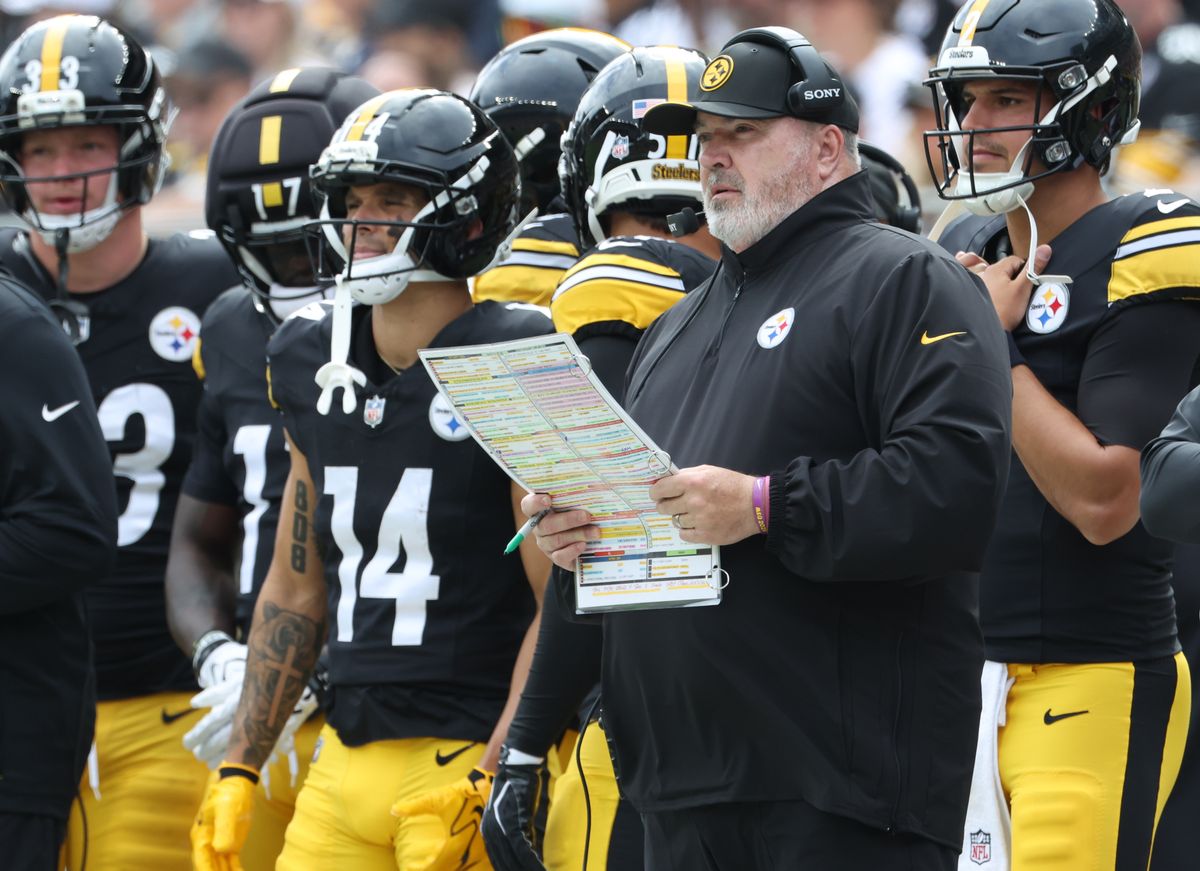
Pittsburgh Steelers’ Mike McCarthy watches the action at Acrisure Stadium during a 2026 game against the Cincinnati Bengals.
Cameron Heyward wasn't particularly impressed with what unfolded between the Cincinnati Bengals and Philadelphia Eagles on Tuesday. Cincinnati reportedly agreed to acquire pass rusher Arnold Ebiketie in exchange for a 2027 sixth-round draft pick before discovering that the transaction would cost the organization considerably more than anticipated.
The Bengals were projected to receive a third-round compensatory pick after losing Trey Hendrickson in free agency. Acquiring Ebiketie would have eliminated that selection because of his status as a compensatory free agent. Suddenly, Cincinnati was looking at effectively sacrificing two draft picks for a rotational pass rusher.
The Bengals called off the deal before it became official. Cincinnati Head Coach Zac Taylor acknowledged Wednesday that the mistake was on the organization's end, making it clear that Philadelphia had done nothing wrong.
During an appearance on The Rich Eisen Show, Heyward explained that he would make a significant change to how the NFL handles situations like this.
“My first rule I would change is no tradebacks. I've been seeing this a lot. I just saw the thing with Cincinnati and the Eagles,” Heyward said.
Cincinnati's mistake was particularly embarrassing considering how the situation unfolded publicly. Over The Cap's compensatory pick expert pointed out the financial implications on social media shortly after news of the trade surfaced. Less than 90 minutes after the original agreement became public, the Bengals had changed their minds.
Philadelphia was reportedly unhappy with the outcome, and understandably so. The Eagles believed they had acquired another draft pick and could have moved on to exploring other transactions. Instead, they were left with a player they had already agreed to send elsewhere.
Heyward also brought up a considerably more expensive example involving another one of Pittsburgh's division rivals.
“They canceled the trade, and there was a trade during the offseason between Baltimore and the Raiders that needed to be squashed as well. I think if you're going to make the trade, you make the trade. There's no way to get out of it,” Heyward said.
The Baltimore Ravens agreed in March to send two first-round draft picks to the Las Vegas Raiders for superstar pass rusher Maxx Crosby. Steelers fans spent several days imagining the nightmare of facing Crosby twice a season before Baltimore pulled out of the deal due to medical concerns following his physical.
The Ravens received significant backlash from around the league and subsequently signed Hendrickson to a four-year, $112 million contract. Las Vegas, meanwhile, had to adjust its offseason plans after expecting to receive two valuable draft selections.
Katie Stratman / Imagn Images
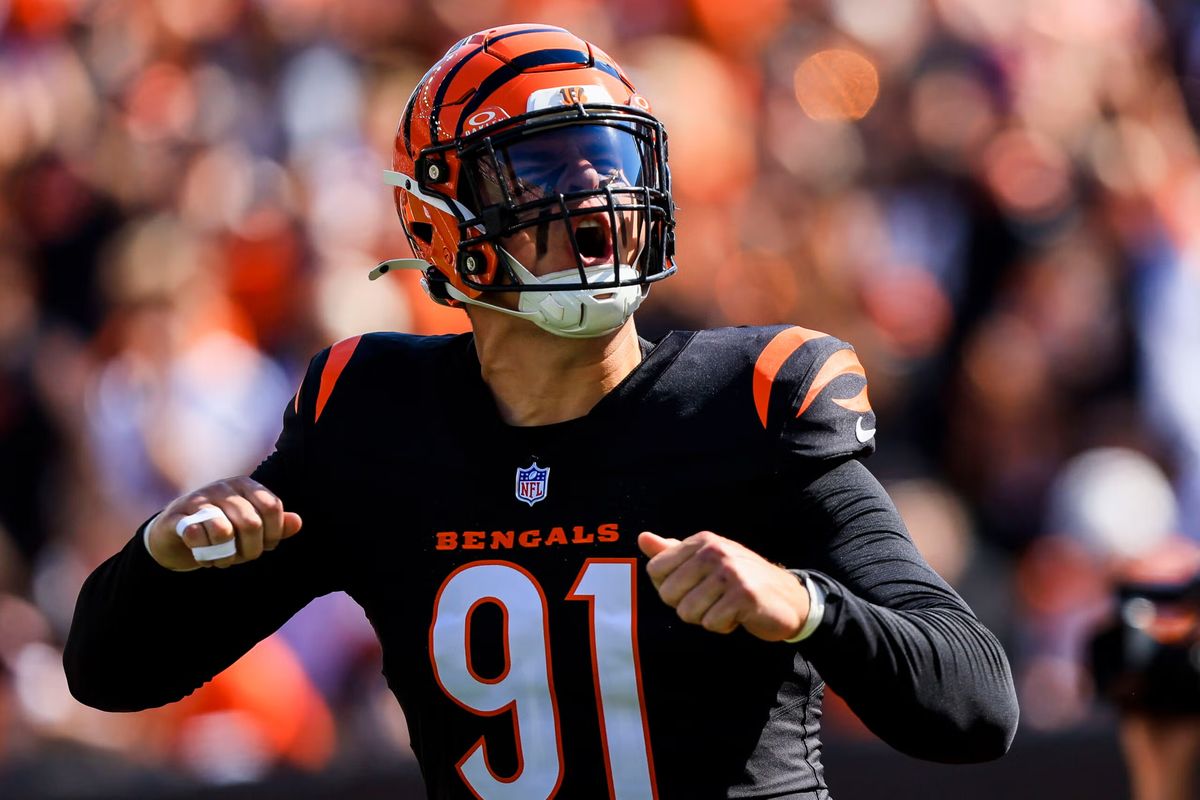
Trey Hendrickson runs onto the field before a game against the Baltimore Ravens at Paycor Stadium.
It's easy to understand Heyward's frustration from a player's perspective. Imagine being told you're heading across the country to join another franchise, only to discover that the organization has changed its mind. Players have families, living arrangements and professional relationships to consider. Crosby had already traveled to Baltimore before the trade collapsed.
The two situations aren't entirely comparable, however. Baltimore cited medical concerns about a player recovering from knee surgery, while Cincinnati failed to properly account for the draft implications of its acquisition. There's a legitimate argument for allowing an organization to withdraw from a transaction if a physical uncovers previously unknown medical information.
Realistically, eliminating every possible reason to cancel a trade would create another set of problems. Teams could become increasingly hesitant to agree to deals without extensive medical evaluations, making transactions more difficult to complete.
Steelers' Heyward Raises A Legitimate Question About Trade Accountability
The NFL should seriously consider establishing stronger protections against teams backing out of agreements for nonmedical reasons. Cincinnati's compensatory pick situation is exactly the kind of information a front office should understand before agreeing to a transaction. Philadelphia shouldn't have to absorb the consequences of another organization's homework assignment.
Requiring teams to conduct their due diligence before submitting a binding agreement, while retaining narrowly defined medical exceptions, could provide a reasonable compromise. It would protect both players and organizations without forcing teams to ignore legitimate health concerns.
The Steelers will face Cincinnati on Sunday night with first place in the AFC North on the line. Heyward won't have to worry about seeing Ebiketie in a Bengals uniform, but he's made his opinion of the situation pretty clear. In a league where franchises routinely remind players that football is a business, Heyward would like those same franchises to start honoring their business agreements.
#SteelerNation
SteelerNation in your inbox
The biggest Steelers stories, free, straight to your email.