


The Pittsburgh Steelers have been searching for young defensive talent capable of making an immediate impact, and safety Robert Spears-Jennings has emerged as an intriguing addition. The former Oklahoma standout entered the NFL with impressive physical tools, but there was apparently one significant concern that contributed to his draft slide. Now, new information from Steelers assistant head coach Joe Whitt has revealed just how much that weakness may have affected his evaluation. Fortunately for Pittsburgh, the organization appears to have identified the problem and made considerable progress correcting it.
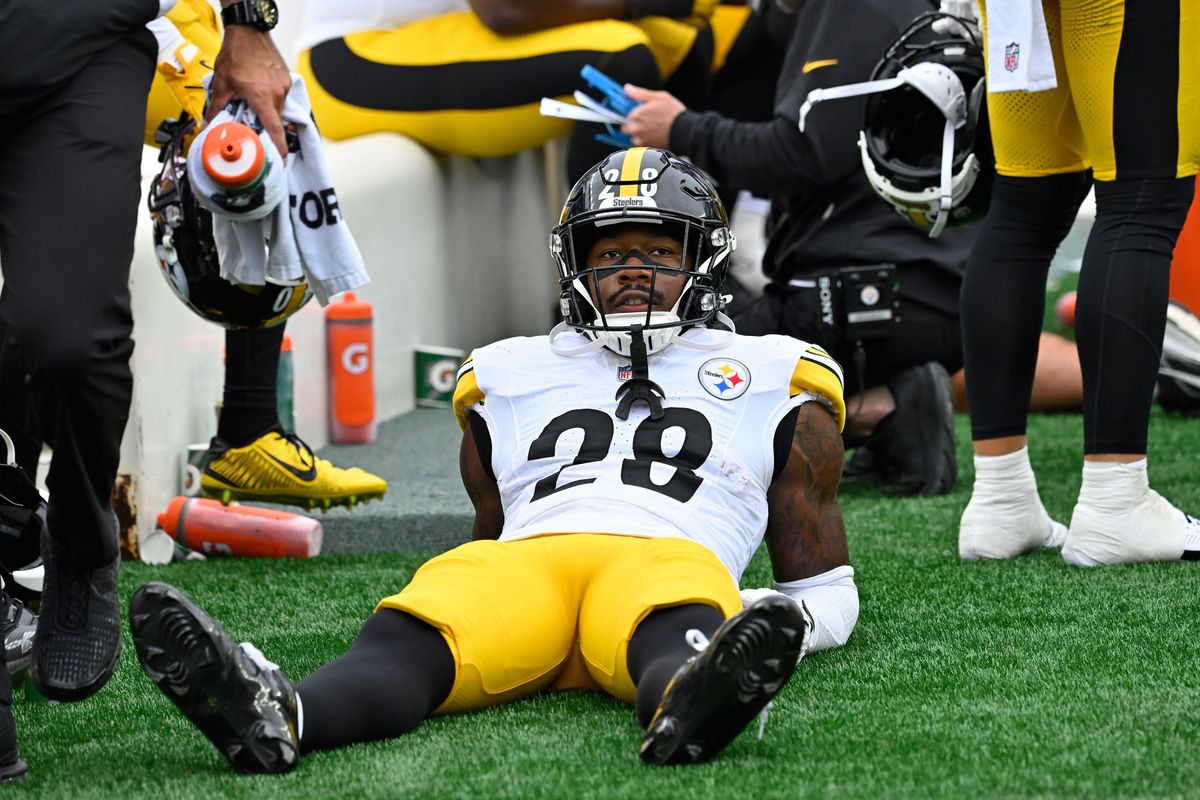
Eric Canha / Imagn Images
Steelers' Robert Spears-Jennings during an NFL game away from the Steel City.
The Steelers have invested heavily in their defense, making the development of younger players especially important for the organization's long-term success. Finding immediate contributors through the NFL Draft can provide tremendous value, particularly when those players possess talent that exceeds their draft position. Spears-Jennings appears to fit that description, and his early performances have given Pittsburgh reasons for optimism. However, his transition into the NFL has also required adjustments that go beyond simply learning a new defensive system. One particular issue with his discipline in coverage reportedly created serious concerns for evaluators.
During an appearance on 93.7 The Fan, Pittsburgh Post-Gazette reporter Ray Fittipaldo discussed a conversation he recently had with Whitt. The Steelers assistant head coach previously evaluated Spears-Jennings during his time at Oklahoma and offered an interesting explanation for the safety's draft slide. According to Fittipaldo, Whitt identified one specific weakness.
"He was in charge of the secondary and he scouted Spears-Jennings at Oklahoma, and he said the only thing that was wrong with his game, the only thing that was causing his draft slide, was he had 'dirty eyes,'" Fittipaldo said.
That terminology might sound unusual to fans unfamiliar with defensive coaching, but it describes a problem that can become extremely costly at the NFL level. Defensive backs must maintain proper eye discipline while reading quarterbacks, tracking receivers and recognizing developing routes. Looking in the wrong direction, even momentarily, can create opportunities for opposing offenses to exploit.
For Spears-Jennings, the concern wasn't necessarily his athletic ability or willingness to compete. Instead, his tendency to lose track of assignments reportedly contributed to breakdowns in coverage. Those mistakes can be particularly damaging for safeties because they frequently represent the final line of defense against explosive plays.
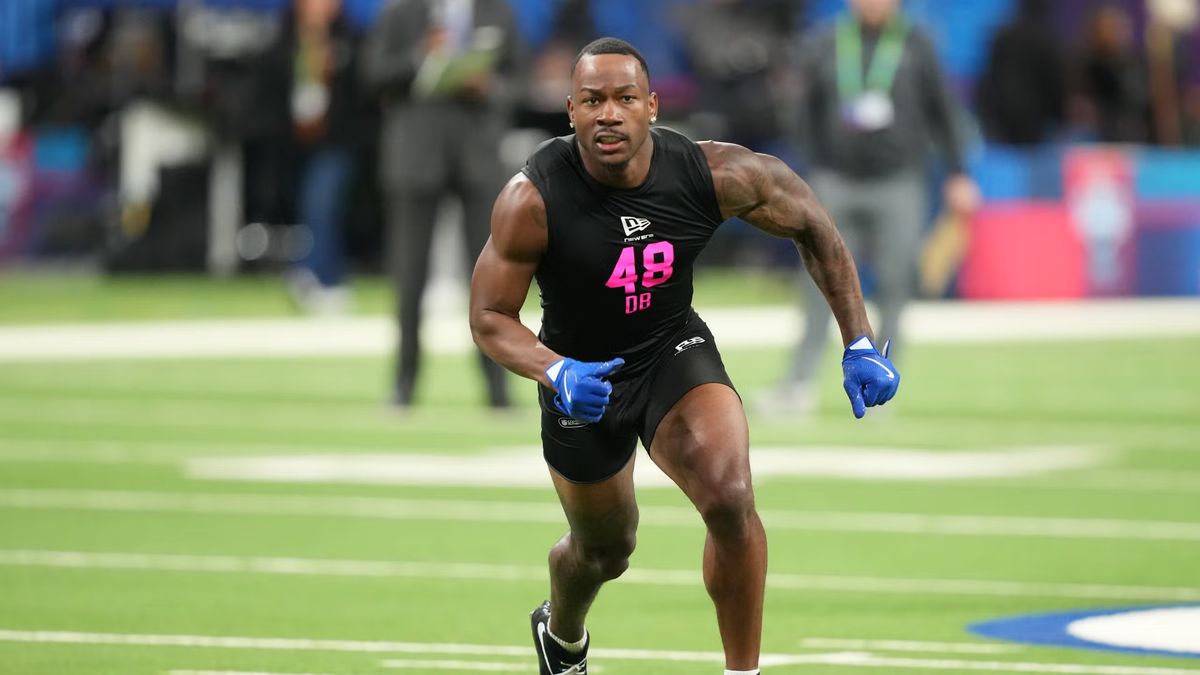
Kirby Lee / Imagn Images
Robert Spears-Jennings goes through drills during the 2026 NFL Scouting Combine at Lucas Oil Stadium.
Fittipaldo provided additional context about the issue and explained why Pittsburgh's coaching staff has become increasingly encouraged by Spears-Jennings' development.
"What that means is he was always getting in trouble and giving up big plays because his eyes weren't where they were supposed to be," Fittipaldo said. "They think they fixed that, or at least are well on their way to fixing that. That's why you have seen him be such a good player early on in the year."
That assessment offers an encouraging glimpse into Pittsburgh's player-development process. The Steelers didn't necessarily need to transform Spears-Jennings into a completely different player. They needed to help him improve a fundamental part of his game that was preventing his natural talent from consistently translating into reliable defensive performances.
Steelers May Have Found Tremendous Value In Robert Spears-Jennings
Perhaps the most fascinating detail from Fittipaldo's report involved Whitt's evaluation of Spears-Jennings before the draft. According to Fittipaldo, Whitt indicated that the safety's scouting numbers were consistent with those of a Day 1 draft selection. That is an impressive assessment considering how significantly concerns about his eye discipline apparently affected his stock.
It also raises an interesting question about how many NFL organizations passed on Spears-Jennings because they weren't confident the issue could be corrected. Physical talent is important, but defensive coordinators must trust their safeties to execute assignments without surrendering costly mistakes. Even a gifted prospect can become a liability if he repeatedly loses track of his responsibilities. For now, the Steelers believe they have started to, or even already, fixed the dirty-eyes knock on the rookie.
Do you believe Robert Spears-Jennings could become one of the Pittsburgh Steelers' biggest NFL Draft steals if he continues improving his coverage discipline? Share your thoughts with me on X at @anthonyghalkias.
#SteelerNation