


The Pittsburgh Steelers hired Mike McCarthy for the 2026 season. At first, the quarterback situation wasn't certain, but rumors of one final ride with Aaron Rodgers quickly took center stage. Pittsburgh eventually reunited the two Super Bowl champions, creating one of the NFL's most fascinating coaching and quarterback partnerships. Now, McCarthy has revealed just how much influence Rodgers has over the Steelers' offensive identity.
Jordan Schofield / SteelerNation (X: @JSKO_PHOTO)
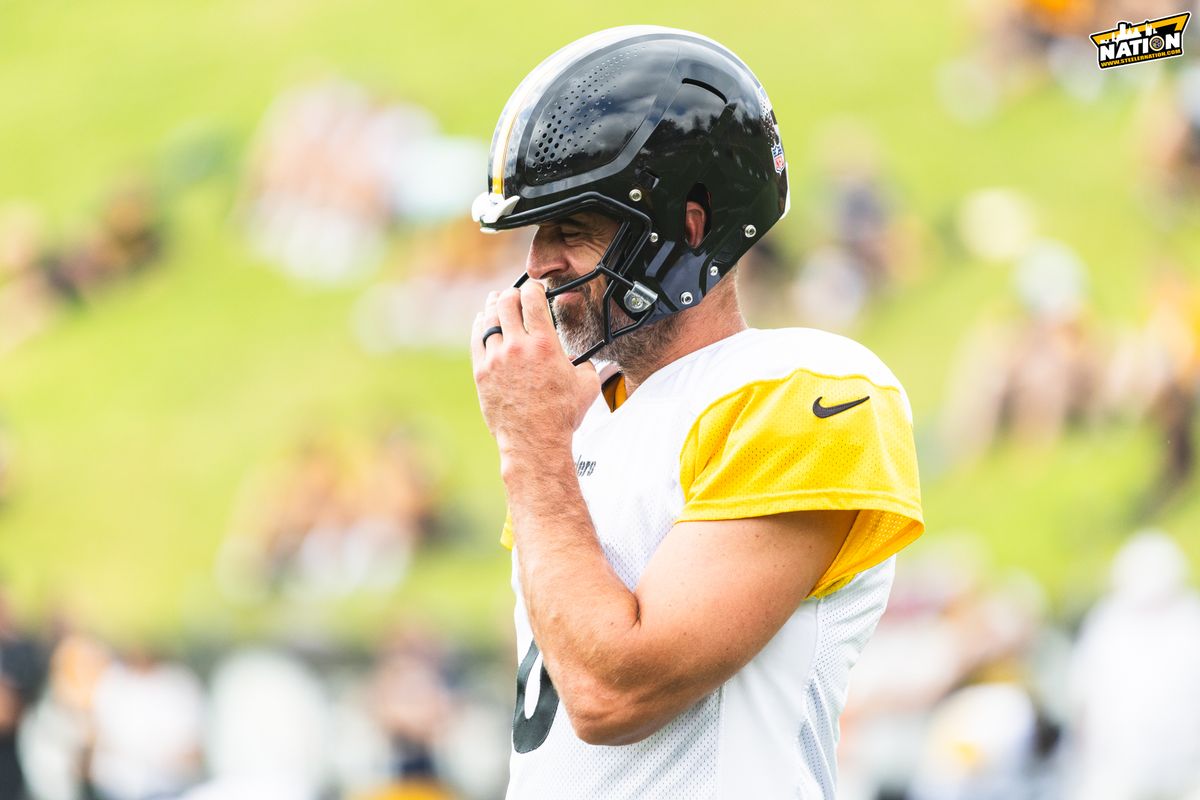
Pittsburgh Steelers quarterback Aaron Rodgers (8) during 2026 training camp at Saint Vincent College in Latrobe, PA.
McCarthy and Rodgers accomplished something special together with the Green Bay Packers, but their previous relationship also came with considerable expectations. Both men have experienced tremendous success, and neither returned to Pittsburgh simply to enjoy a reunion. The Steelers needed a quarterback capable of leading an experienced roster, while Rodgers needed an offense that could maximize his strengths. McCarthy understood that making their partnership work would require more than familiarity.
The Steelers are 6-2 entering their bye week, suggesting the reunion has produced encouraging results. However, McCarthy recently offered an interesting explanation of how Pittsburgh approached building its offense around Rodgers. Speaking with SiriusXM NFL, the head coach admitted that allowing Rodgers' perspective to shape the offense was a priority from the beginning.
"I go back to our initial conversations about him coming back for this season," McCarthy said. "Personally, I just felt it was common sense, both for us personally and professionally, that we need to run this offense through his eyes."
That admission reveals plenty about the trust between Pittsburgh's two most important offensive leaders. McCarthy isn't interested in forcing Rodgers into a system that ignores everything he has learned throughout his career. Instead, the Steelers are intentionally designing their approach around how their quarterback processes the game. That is a significant responsibility to place on any player, regardless of his accomplishments.
Rodgers has spent two decades studying defenses, identifying coverages and recognizing opportunities before the football is snapped. His understanding of opposing schemes gives Pittsburgh an experienced decision-maker capable of influencing the offense beyond simply executing plays. McCarthy clearly believes that knowledge should be incorporated into the team's preparation and game plans. However, the arrangement also presents challenges.
Jordan Schofield / SteelerNation (X: @JSKO_PHOTO)
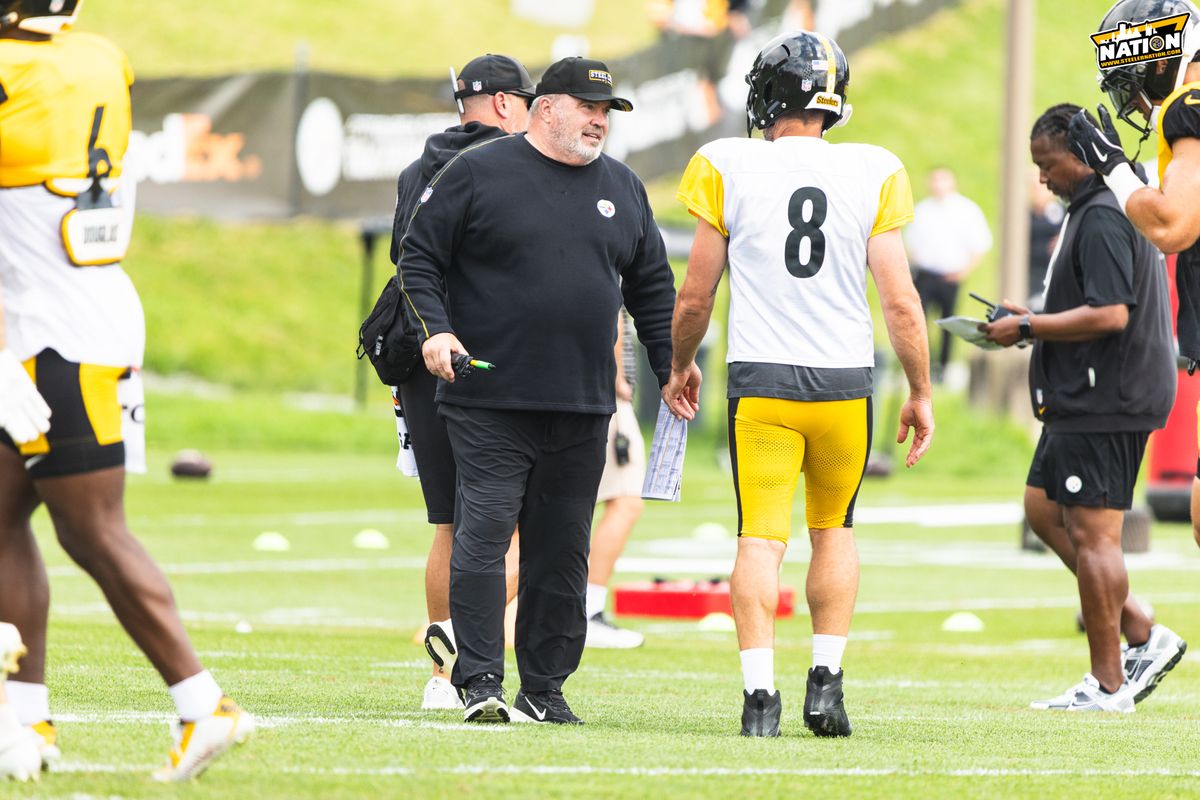
Pittsburgh Steelers Head Coach Mike McCarthy (left) and quarterback Aaron Rodgers (8) during 2026 training camp at Saint Vincent College in Latrobe, PA.
The head coach acknowledged that Rodgers' experience and expectations make the process demanding. Building an offense around a veteran quarterback requires constant communication, particularly when that player has established preferences about how football should be played. McCarthy didn't pretend the process was effortless.
"Now that is tough because not only his expectations, his expertise, his experience level and understanding of all the above, but yes, it's a constant focus for us," McCarthy said. "That's a huge part of why he is who he is."
The interesting question is how much responsibility Rodgers actually carries within Pittsburgh's offensive operation. McCarthy's comments don't establish that Rodgers independently controls every play call or personnel decision. They do, however, confirm that his football perspective is central to how the Steelers want to operate. For a quarterback with Rodgers' experience, that level of influence makes sense.
Steelers Are Trusting Aaron Rodgers To Help Shape Their Offensive Identity
Pittsburgh's offense has shown encouraging signs, particularly through its physical running game and contributions from tight ends Darnell Washington and Pat Freiermuth. Jaylen Warren has also emerged as a major weapon, while DK Metcalf provides a dangerous receiving threat outside. However, the Steelers haven't consistently maximized their opportunities in the passing game.
That makes McCarthy's philosophy especially interesting. If Pittsburgh is committed to running the offense through Rodgers' eyes, the quarterback's ability to identify favorable matchups becomes increasingly important. The Steelers must also balance his preferences with the coaching staff's responsibility to create a complete offensive attack.
There is considerable upside to trusting a quarterback who understands McCarthy's expectations and has already won a championship alongside him. Nevertheless, Pittsburgh's success will ultimately depend on execution rather than reputation. Rodgers and McCarthy cannot rely exclusively on their shared history to overcome the challenges awaiting them.
The Steelers have given themselves an excellent opportunity at 6-2, but their most important football remains ahead. McCarthy has made it clear that Rodgers' influence is intentional, not accidental. Whether that trust produces another championship-caliber offense could determine how Pittsburgh's season is remembered.
Do you believe Mike McCarthy is making the right decision by building the Pittsburgh Steelers' offense around Aaron Rodgers' perspective? Share your thoughts with me on X at @anthonyghalkias.
#SteelerNation